


15 Jan Bacteria Beneath: Unveiling Microbes in YOUR Carpets and Upholstery
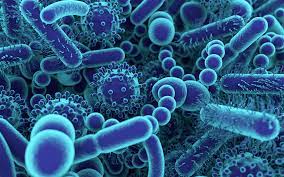
In our daily lives, we often overlook what lies underfoot and the seats we settle into – our carpets and upholstery. These seemingly ordinary elements of our living spaces can serve as habitats for a hidden world of microorganisms, including bacteria. Bacteria, minuscule single-celled organisms unseen by the naked eye, form a fascinating and diverse microbial community that plays a crucial role in our ecosystem. Let’s delve into this microscopic universe of bacteria residing in carpets and upholstery to understand their significance.
A Tiny World in Our Living Spaces
Carpets and upholstery offer a conducive environment for bacteria to flourish due to their fibrous and porous structure. These materials trap dust, skin cells, food particles, and moisture, creating an ideal habitat for bacterial growth. Over time, if not adequately cleaned and maintained, a variety of bacteria can propagate in these areas.
Varieties of Bacteria
Bacteria inhabiting carpets and upholstery encompass a broad spectrum of types, including both benign and potentially harmful species. Common bacteria residing in these environments include:
1. Staphylococcus aureus:
Staphylococcus aureus, typically present on human skin and in the respiratory tract, can proliferate in carpets and upholstery without proper cleaning. While some strains are harmless, others can cause skin infections and respiratory issues.
2. E. coli:
Escherichia coli, a bacterium found in human and animal intestines, can contaminate carpets and upholstery due to poor hygiene, posing a risk of gastrointestinal infections.
3. Mould and Mildew:
Although not bacteria, moulds and mildew, which are fungi, can also take residence in carpets and upholstery. They can cause allergies, respiratory problems, and emit musty odours.
4. Salmonella:
Salmonella can also be present in carpets and upholstery, especially if contaminated with faecal matter, posing a risk of gastrointestinal infections.
The Significance of Cleanliness
Regular cleaning and maintenance of carpets and upholstery are essential to prevent bacterial growth and maintain a healthy living environment. Here are some key measures to consider:
1. Vacuuming:
Regular vacuuming effectively eliminates dust, debris, and loose particles that can become a breeding ground for bacteria.
2. Professional Cleaning:
Periodically seeking professional carpet and upholstery cleaning services ensures a thorough and deep clean, targeting bacteria embedded deep within the fibres.
3. Proper Hygiene:
Promoting good hygiene practices among household members and guests helps reduce the introduction of bacteria into living spaces.
Striking a Microbial Balance
It’s crucial to acknowledge that not all bacteria are harmful. Many bacteria are beneficial and play vital roles in natural processes, such as nutrient cycling and soil health. Striving for a balance where harmful bacteria are controlled, and beneficial bacteria are encouraged to thrive, is vital in maintaining a healthy and harmonious microbial environment.
In conclusion, comprehending the presence of bacteria in our carpets and upholstery is a critical step toward ensuring a clean and healthy living environment. By adopting proper cleaning practices and fostering good hygiene, we can strike a balance that supports our well-being and the intricate microbial world coexisting with us.